African Acacia Trees: Graphics for Local Branding
As a brand designer, I often seek out graphic design assets that can elevate a small business’s visual identity without overwhelming it. African Acacia Trees with Various Colors is one such illustration set that offers versatility and visual appeal for local business branding, product packaging, and promotional materials.
First Impressions and Brand Personality
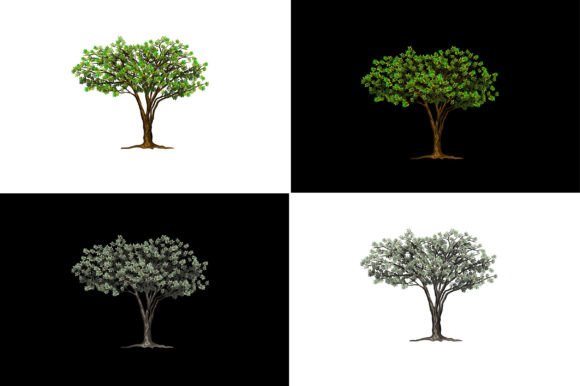
The African Acacia Trees with Various Colors set immediately evokes a sense of natural beauty and organic elegance. The trees are extracted and isolated on a white background, making them ideal for compositing into any design. The various color options allow for flexibility in mood—some versions feel modern and clean, while others carry a more rustic or vibrant energy.
This asset suggests a brand personality that is earthy, authentic, and nature-inspired. It fits well with handmade businesses, boutique stores, and food brands looking to convey a connection to the environment. Whether used in a coffee shop, skincare line, or home decor shop, the illustrations add a touch of warmth and visual interest without being too flashy.
Real-World Applications for Small Business Branding
One of the strongest aspects of African Acacia Trees with Various Colors is its adaptability. As a brand designer, I’ve seen how this graphic design asset can be used across multiple platforms. For example, in a bakery or coffee shop, the illustrations can serve as a subtle backdrop for menus, signage, or social media graphics. In a handmade soap or candle business, they can appear on product labels, hang tags, or even as part of a seasonal campaign.
For product packaging design, these illustrations can act as an accent or hero graphic. They work well on paper bags, box inserts, or custom wrapping. When paired with a clean font, they help create a strong visual hierarchy that draws attention without cluttering the design.
In digital spaces, African Acacia Trees with Various Colors can be used in web design, email newsletters, or Canva templates. Their high-quality PNG and SVG formats make them easy to integrate into any project, whether it’s a website banner or a printable design for a local event.
Supporting Business Presentation and Customer Trust
Using African Acacia Trees with Various Colors can significantly enhance a business’s presentation. A well-designed product label or packaging can make a stronger first impression, leading to better product recognition and customer trust. These illustrations help create a more polished look that aligns with professional branding standards.
When used consistently across marketing visuals, they reinforce a cohesive brand identity. This consistency is especially important for small businesses trying to stand out in a competitive market. Whether it’s a social media post, flyer, or business card, the illustrations provide a visual anchor that supports the overall message of the brand.
Where African Acacia Trees with Various Colors Shine
This graphic design asset excels in areas where visual storytelling matters. Product labels, packaging accents, and promotional banners benefit from the natural aesthetic of the African Acacia Trees. They also work well as decorative elements in a boutique store or as part of a seasonal campaign, such as a summer or holiday promotion.
For a handmade soap business, these illustrations could be used on product boxes or as part of a printable insert that customers receive with their purchase. In a food brand, they might appear on a menu graphic or as part of a branded packaging mockup.
Where to Use with Caution
While African Acacia Trees with Various Colors is versatile, it’s not suitable for every design context. In formal corporate branding, the illustrations may feel too decorative or casual. They should also be used carefully on very small labels or crowded layouts where they might compete with essential text.
On low-contrast backgrounds, the white isolation of the trees may not show up as clearly. Luxury minimalist brands may find the design too busy, and in legal or ingredient-heavy areas, the illustrations could distract from critical information.
Practical Designer Notes
Before finalizing any design, I always recommend testing the African Acacia Trees with Various Colors on real packaging mockups. Check how they look in black and white, especially if the brand uses a monochrome palette. Preview them on small labels to ensure legibility and clarity.
Test the illustrations alongside different font styles—serif, sans serif, script, handwritten, or display fonts—to see how they interact visually. Confirm that the commercial license covers all intended use cases, especially when working on client projects or physical product sales.
Inspect the PNG transparency and SVG editability to ensure the files are flexible enough for your design needs. Compare them with competitor packaging to maintain a unique visual identity. Lastly, review print quality to avoid unexpected results when producing physical materials.
Conclusion: A Valuable Addition to Any Brand Designer’s Toolkit
African Acacia Trees with Various Colors is more than just an illustration—it’s a powerful tool for small business branding. Whether you’re designing for a local café, a handmade product line, or a seasonal campaign, this graphic design asset offers both aesthetic value and practical application.
By using it thoughtfully, you can create a stronger visual identity, improve customer engagement, and elevate the overall look of your marketing materials. As a brand designer, I find that assets like these help bridge the gap between creative vision and real-world business needs.