Tiger and Bamboo Leaves
As an embroidery designer and product reviewer, I often find myself evaluating digital artwork for real-world use. Tiger and Bamboo Leaves is a single SVG artwork that promises versatility across multiple applications. But does it deliver when stitched onto fabric? Let’s explore its potential in practical embroidery projects.
First Impressions: A Bold, Nature-Inspired Design
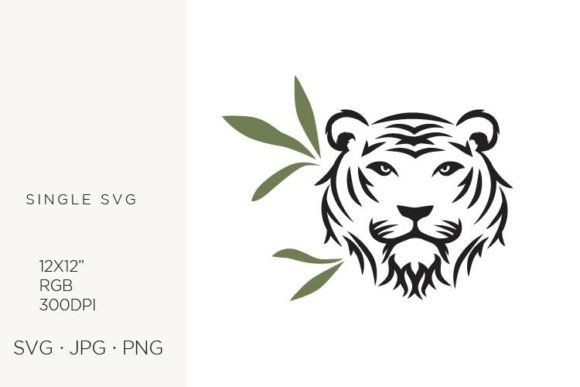
The first thing that stands out about Tiger and Bamboo Leaves is its bold, nature-inspired aesthetic. The design features a stylized tiger surrounded by intricate bamboo leaves, creating a visual balance between strength and grace. The layout is clean, with enough detail to make it visually engaging without being overwhelming.
The mood of the design is calm yet powerful, making it ideal for products that need to convey both elegance and energy. It feels like it belongs on a custom tote bag, a baby onesie, or a holiday gift. The level of detail is moderate—enough to look good in embroidery but not so dense that it becomes difficult to stitch.
Real-World Embroidery Use Cases
When considering where Tiger and Bamboo Leaves would thrive, several applications come to mind. For instance, a custom embroidered tote bag could benefit from this design. The tiger and bamboo motif adds a unique touch that stands out without being too busy. It also works well on sweatshirts, especially for boutique brands looking for a distinctive logo or graphic.
Baby items are another natural fit. The design’s soft lines and organic shapes make it suitable for nursery decor, onesies, or blankets. It’s not overly aggressive, which is important for baby-related products. Similarly, holiday gifts such as embroidered aprons or tea towels can feature this design to add a personal and decorative touch.
For small business owners and Etsy sellers, Tiger and Bamboo Leaves could be a valuable addition to their digital product library. It offers a versatile design that can be adapted for various merchandise, from patches to printable mockups. However, its success will depend on how well it translates into different formats and materials.
Where to Be Cautious
While Tiger and Bamboo Leaves has a lot to offer, there are some scenarios where it may not perform as well. Small hoop sizes, for example, could be problematic. The design’s size and detail might not fit comfortably, leading to stitching issues or incomplete results. If you’re working with a limited hoop space, consider scaling the design down or using a larger hoop if possible.
Textured fabrics, thin materials, or stretchy garments can also present challenges. The design’s details may not show up clearly on these surfaces, especially if the fabric absorbs the stitches or shifts during embroidery. Dark fabrics might require careful thread color selection to ensure the design remains visible and impactful.
Curved surfaces like caps or hoods can be tricky. The design’s shape may not align perfectly, leading to distortion or misplacement. It’s important to test the design on a similar surface before committing to a full project.
Impact on Visual Appeal and Customer Perception
In terms of visual appeal, Tiger and Bamboo Leaves has the potential to elevate any product it’s used on. Its balanced composition and nature theme give it a timeless quality that can resonate with a wide audience. When stitched properly, it can enhance the value of handmade products, making them more desirable to customers.
Stitching clarity is another factor to consider. The design’s structure allows for clear satin stitches and fill stitches, which are essential for maintaining definition. However, areas with intricate details—like the tiger’s fur or the bamboo leaves—may require careful attention to ensure they don’t become muddled during the embroidery process.
Customer trust and brand consistency are also key. A well-executed embroidery project using Tiger and Bamboo Leaves can reinforce a brand’s image, making it more professional and reliable. It also enhances the giftability of products, as the design is both attractive and meaningful.
Practical Designer Notes
Before using Tiger and Bamboo Leaves in any project, I recommend testing it on scrap fabric. This helps identify any potential issues with stitch density, thread color contrast, or stabilizer requirements. It’s also wise to review the design in black and white mockups to see how it looks on different backgrounds.
If you’re planning to use this design for commercial purposes, always check the licensing terms. Make sure it’s appropriate for both personal and commercial projects, especially if you’re selling finished items or digital products.
Finally, consider the overall purpose of your project. Is it for a handmade shop, an Etsy listing, or a craft fair display? The design’s versatility means it can adapt to many scenarios, but its success will ultimately depend on how well it’s executed and presented.
Conclusion: A Versatile Design with Practical Potential
Tiger and Bamboo Leaves is a strong candidate for a variety of embroidery projects. Its clean layout, balanced composition, and nature-inspired theme make it suitable for custom apparel, baby items, holiday gifts, and more. However, its performance will depend on factors like hoop size, fabric type, and stitch execution.
For designers and crafters looking to expand their design assets, this SVG artwork offers a solid foundation. With proper testing and thoughtful application, it can become a valuable part of any embroidery project or digital product offering.